
Are one Euro houses in Italy really one Euro? No — the entry price is one Euro, but the true all-in cost of a one Euro house runs €100,000–€200,000+ once renovation, taxes, and fees are included.
Table of Contents
One Euro houses in Italy: the real math behind the headlines.
“Buy historic one euro houses in Italy!” – You have seen the viral headlines, glowing YouTube travelogues, and glossy international features.
It sounds like the real estate deal of the century — a dream lifestyle upgrade for the price of a single espresso. However, behind the idyllic social media photos of sun-drenched stone facades lies a complex, highly regulated construction project masquerading as a cheap property bargain.
For the vast majority of international buyers, purchasing a one Euro house in Italy is not a low-cost property purchase; it is a high-risk, full-scale structural development venture.
Here is an exhaustive financial, legal, and operational breakdown of what it actually costs to turn a one Euro ruin into a livable Italian home.
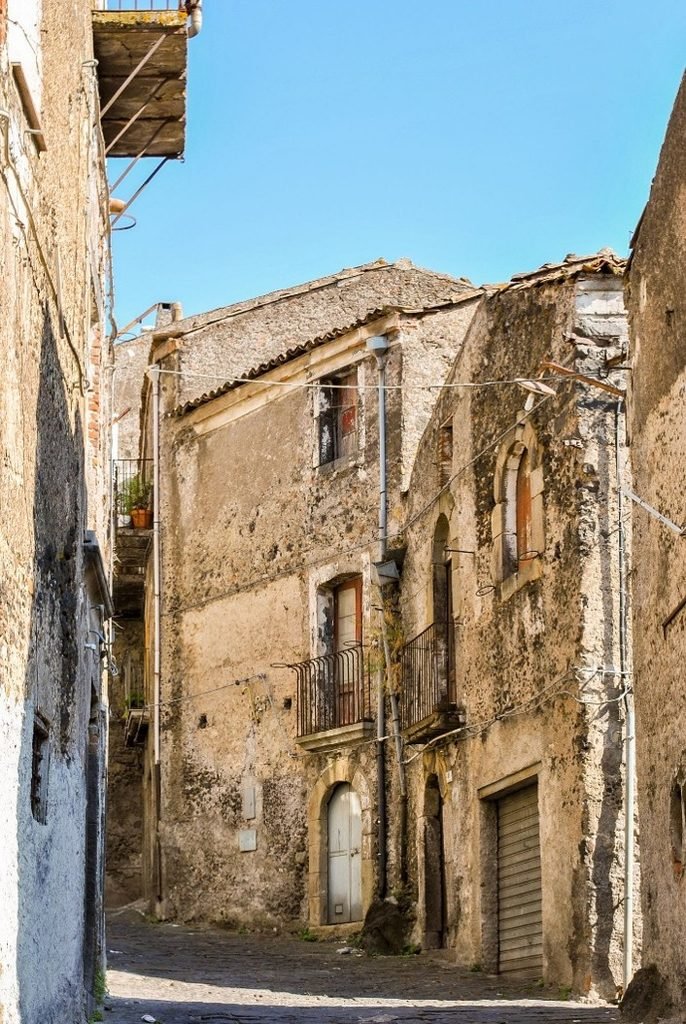
The real renovation math: €80,000 to €200,000+.
The core misconception surrounding one Euro houses in Italy (Case a 1 Euro) is that buyers receive a standing, functional home in need of cosmetic updating.
In reality, municipalities launch these initiatives specifically because the properties have been abandoned for decades. Many are structurally compromised, missing entire roofs, or suffering from severe water damage and floor collapses.
| Renovation category | Share of total budget | Key scope & inclusions | Typical cost range (per sqm) |
| Structural & building envelope work | 40% – 50% | Roof restoration/replacement, load-bearing walls, foundation reinforcement, insulation, facade updates, and structural openings. | €400 – €800 / m² |
| MEP Systems (Mechanical, Electrical, Plumbing) | 20% – 25% | Complete electrical rewiring, plumbing overhauls, HVAC/heating installation (heat pumps, underfloor heating), and gas lines. | €250 – €450 / m² |
| Interior finishes & fixtures | 15% – 20% | Flooring (tiles, hardwood), bathroom fixtures, internal doors, wall plastering, painting, and tiling work. | €200 – €400 / m² |
| Architectural, engineering & permitting fees | 10% – 15% | Project design, structural engineer fees (collaudo), safety coordinator (CSP/CSE), town hall permits (CILA/SCIA/Permesso di Costruire), and heritage commission approvals (Soprintendenza). | €100 – €250 / m² |
Essential renovation line items:
- Structural stabilization & roofing: replacing a collapsed timber roof and securing load-bearing stone walls typically costs €800 to €1,400 per square meter. For a modest 100 sqm home, structural work alone can absorb €80,000 to €120,000.
- Mechanical, Electrical, and Plumbing (MEP): abandoned village homes rarely have modern utility connections. Installing compliant plumbing, septic systems, electrical wiring, and heating/cooling systems adds €25,000 to €45,000.
- Historic preservation mandates: most participating villages strictly enforce heritage protection guidelines (vincolo paesaggistico). Buyers are legally required to use traditional local stone, hand-crafted wooden shutters, and authentic clay roof tiles, increasing material costs significantly.
- Labor scarcity premiums: because these towns are isolated, bringing qualified contractors, scaffolding, and heavy machinery into narrow medieval alleys carries substantial logistical markups.
Bottom line: for a standard 80 to 120 sqm historic home, realistic restoration costs range from €1,000 to €1,800 per square meter, bringing your total construction investment to €100,000 – €200,000+. Very far from the one Euro house price tag!
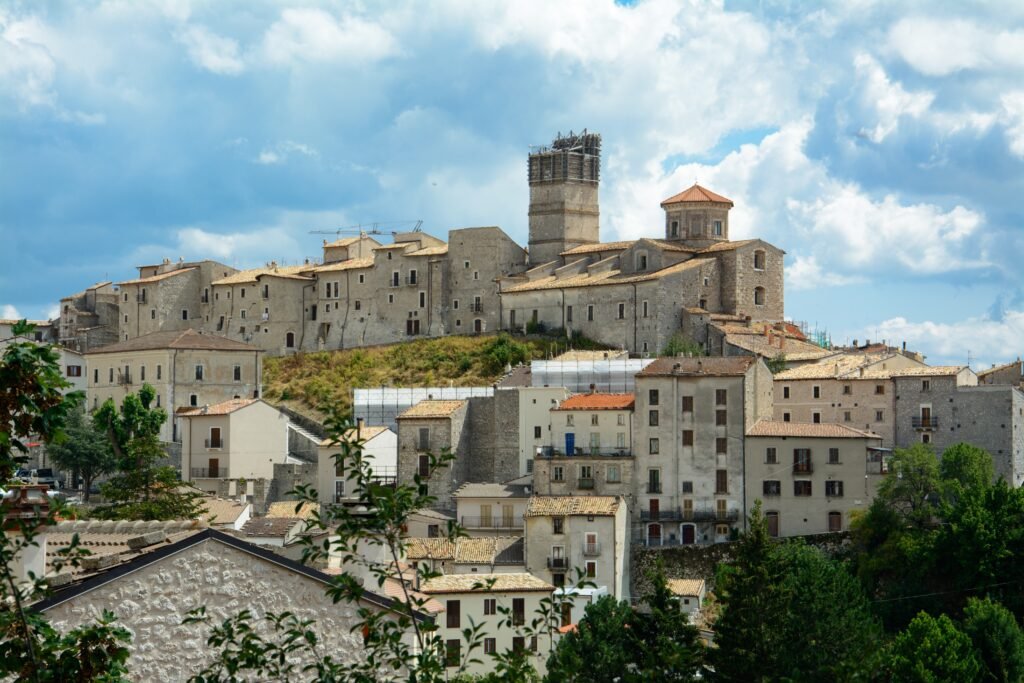
Mandatory upfront fees & municipal escrow bonds.
While the deed list price is one Euro, the reality about these houses in Italy includes the closing transfer or property taxes, transaction fees, legal costs, and municipal guarantees.
| Expense category | Average out-of-pocket cost | Description & scope of expenses |
| Notary fees & legal taxes | €2,500 – €4,000 | Public notary fees (Notaio) for drafting and executing the purchase deed, plus fixed government administrative and registration taxes. |
| Municipal performance deposit / bond | €2,000 – €5,000 | Guarantee deposit is held by the local municipality (Comune) to ensure renovation timelines and planning conditions are met (common in one Euro houses schemes or historic restoration projects). |
| Technical survey & architectural plans | €3,000 – €7,000 | Comprehensive structural survey (relazione tecnica), architectural design, town hall permitting (CILA/SCIA), and cadastral updates by a licensed surveyor (geometra). |
| Legal translation & certified court fees | €1,000 – €2,000 | Sworn court translation of purchase deeds, interpreter fees at closing, and legal power of attorney (procura speciale) validation. |
| ESTIMATED UPFRONT CLOSING TOTAL | €8,500 – €18,000 | Total initial capital required (excluding property purchase price and construction costs). |
The performance bond guarantee prevents buyers from abandoning properties halfway through construction, participating town halls (Comuni) require you to lodge a €2,000 to €5,000 security bond in an official escrow account.
If you fail to submit architectural plans, obtain permits, or complete the restoration within the contractually specified timeline (usually 12 to 36 months), the municipality forfeits your deposit and reclaims ownership of the property.
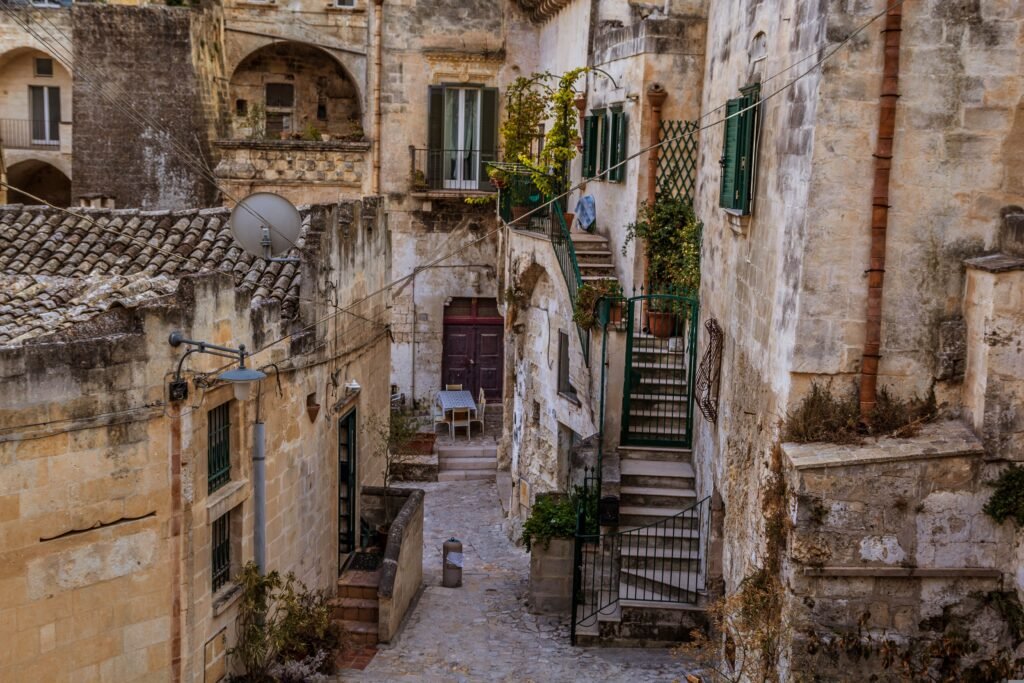
Legal obligations, deadlines, and resale restrictions.
When you buy a one Euro home, you enter into a binding administrative contract directly with the municipal government. These contracts carry strict obligations:
- Tight construction deadlines: you must typically submit a formal architectural plan within 6 to 12 months of purchase and complete all works within 3 years.
- Primary residency clauses: some municipalities mandate that buyers move their legal primary residence (residenza) to the town for a minimum period (e.g., 3 to 5 years), rendering the property unsuitable as a casual holiday house.
- Resale restrictions: to prevent real estate speculation, many schemes prohibit selling the property for 3 to 5 years following renovation completion.
Location reality: infrastructure & capital liquidity.
The towns offering one Euro homes in Italy are not coastal hotspots like Amalfi or flourishing urban centers like Rome, Venice or Trieste. They are typically inland, mountainous villages suffering from severe long-term demographic decline.
Before committing capital, consider these structural location challenges:
- Distance to logistics hubs: many one Euro houses are located 2 to 3 hours away from international airports, high-speed rail stations, or major hospitals.
- Property illiquidity: because the local population is shrinking, resale demand in these remote areas is exceptionally low. If your life circumstances change, liquidating a €150,000 restored property in a depopulated village can take years.
- Project management burden: managing an Italian construction site remotely from abroad without speaking fluent Italian is notoriously difficult, often requiring frequent, expensive travel to inspect work progress.
The smarter alternative: move-in ready properties in connected cities.
For buyers who want an authentic Italian home without the structural risk, remote administrative burdens, and construction delays, established coastal hubs offer a compelling financial model.
| Investment metric | 1-Euro restoration project | Turnkey property |
| Total all-in spend | €120,000 – €200,000 (Purchase price + taxes + heavy structural renovation + technical fees) | €130,000 – €190,000 (Purchase price + closing taxes + agency fees; minimal or no renovation) |
| Timeline to occupation | 2 – 4 years (Permitting delays, construction site management, material shortages) | Immediate (Ready for move-in or immediate tenant placement upon closing) |
| Location & accessibility | Remote / inland village (Limited infrastructure, car-dependent, shrinking population) | Connected coastal / urban hub (Walkable, international transit, airports, rail links, medical centers) |
| Rental demand & yield | Very low (Seasonal trickle, low occupancy rates, minimal long-term demand) | High year-round yield (Strong long-term residential, student, or short-term holiday rental market) |
| Asset liquidity & exit strategy | Low liquidity (Difficult to resell; small pool of prospective buyers) | High liquidity (Strong resale demand with steady long-term capital appreciation) |
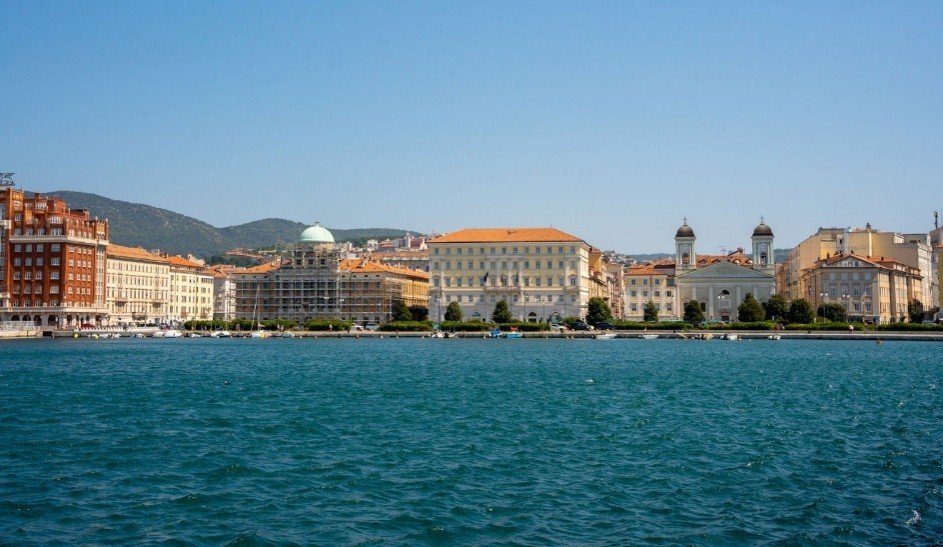
In vibrant, growing cities like Trieste, an all-in budget of €150,000 to €180,000 can secure a renovated, turn-key historic apartment in a walkable urban center.
Instead of overseeing years of complex structural repairs in an isolated mountain town, you acquire an immediate asset with high speed fiber connectivity, proximity to international airports, and strong year-round rental yields driven by tourism, university students, and business travelers.
Key takeaways about the one Euro houses for sale in Italy:
- Calculate the all-in math: never base your budget on the entry price. Add €1,000 to €1,800 per square meter for full structural restorations.
- Review municipal mandates: verify deadline obligations, residency requirements, and security bond conditions before signing binding agreements.
- Prioritize capital liquidity: If your goal includes capital growth, rental income, or flexibility, evaluate move-in-ready homes in well-connected regional hubs over remote renovation projects.
If you’re looking for more information about the process of buying a property in Italy, we will be extremely glad to navigate through the process, whether this is about a one Euro house or a standard property purchase.
FAQ section
Are one Euro houses in Italy real? Yes, they’re real. Italian municipalities genuinely sell homes for one Euro to combat depopulation and save abandoned historic centers. But the one Euro price is only the entry point — buyers commit to renovating the property within a fixed timeline, and the true all-in cost of a one Euro house runs €100,000 to €200,000 or more once restoration, taxes, and fees are counted.
How much does a one Euro house in Italy really cost? Expect a total of €100,000 to €200,000+ for a standard 80–120 sqm home. The one Euro is the deed price; on top of it you’ll pay €8,500–€18,000 in upfront closing costs (notary, technical surveys, permits, a municipal bond) plus €1,000–€1,800 per square meter for full structural renovation. The abandoned condition of most properties — collapsed roofs, no utilities, structural damage — is what drives the real cost.
What’s the catch with one Euro homes? The catch is that you’re buying a renovation obligation, not a finished home. Most one Euro houses have been abandoned for decades and are structurally compromised. You’re legally bound by a contract with the municipality: submit architectural plans within 6–12 months, complete works within about 3 years, and lodge a €2,000–€5,000 security bond you forfeit if you miss the deadlines. Some towns also require you to make the property your primary residence.
Where are the one Euro houses for sale in Italy? They’re concentrated in inland, rural areas facing population decline — regions like Sicily (towns such as Mussomeli and Sambuca), Sardinia, Calabria, Molise, and parts of Piedmont. They are not found in sought-after coastal or urban hubs like Trieste, Rome, or Venice. This location reality matters: many one Euro homes sit 2–3 hours from the nearest airport or hospital, and resale demand in depopulating villages is very low.
Is a one Euro house in Italy a good investment? For most buyers, no — not as a financial investment. Between the €100,000–€200,000 all-in cost, the multi-year renovation timeline, resale restrictions, and low liquidity in remote villages, a one Euro house rarely delivers strong returns. It can make sense as a passion project for someone wanting to restore a historic home and live in the area. But if your goal is capital growth or rental yield, a move-in-ready property in a connected city like Trieste — with an all-in budget of €150,000–€180,000 — is usually the smarter financial choice.
Can foreigners buy a one Euro house in Italy? Yes, foreigners can buy one Euro houses in Italy, including non-EU citizens (Italy has reciprocity agreements with many countries). However, buying from abroad adds real complexity: sworn translations of legal documents, a power of attorney if you can’t attend the notary in person, and the challenge of managing an Italian construction site remotely without fluent Italian. Most foreign buyers underestimate this operational burden – which is where Ethica House steps in, guiding you through the paperwork, the notary, and every hidden cost as your independent advisor, working only for you.
Considering a one-Euro house or want a second opinion before you sign anything with a Townhall (comune)? Book a free intro call or let us know about your specific situation and we’ll reach back.